Boiler Installation: How to Choose the Right Boiler for Your Home
Boiler installation is a major home upgrade that directly affects comfort, heating efficiency, and energy costs. Choosing the right boiler type, size, and installation process ensures your home stays warm, energy bills remain manageable, and the system operates reliably for years. This guide explains boiler types, condensing boiler benefits, gas boiler selection, installation steps, energy efficiency tips, and maintenance advice for homeowners in Kingston.
Understanding Boiler Installation
Boiler installation in Kingston involves selecting a new heating system, preparing your home’s plumbing and heating infrastructure, and safely installing the unit. A professionally installed boiler ensures long-term reliability, maximum efficiency, and compliance with safety standards. Proper installation can prevent costly repairs, improve hot water flow, and maintain consistent heating across your home.
Types of Boilers
There are three main boiler types: combi, system, and conventional. Combi boilers provide instant hot water without a storage tank, making them suitable for smaller homes with limited space. System boilers include a hot water cylinder and work well in larger homes with higher hot water demand. Conventional boilers are traditional units that store hot water in tanks and are compatible with older radiator systems. Choosing the right type depends on home size, hot water needs, and existing infrastructure.
Gas Boilers vs Condensing Boilers
Gas boilers are widely used for their reliability and relatively low running costs. Condensing boilers are an energy-efficient variant, capturing heat from exhaust gases that would normally be wasted. This additional heat increases overall efficiency, reduces fuel bills, and lowers carbon emissions. Condensing boilers are compatible with modern heating systems and are particularly recommended for homeowners looking to reduce energy costs while maintaining performance.
How to Choose the Right Boiler
Selecting the right boiler requires assessing your home’s heating requirements, hot water demand, and property size. Calculating boiler size accurately is essential, as an undersized unit may struggle to meet demand, while an oversized boiler can waste energy. Homeowners should also consider manufacturer reliability, warranty options, and compatibility with existing radiators, thermostats, and heating controls. Consulting a heating engineer ensures that the boiler you choose meets your specific needs.
Calculating Boiler Size
Boiler size is measured in kilowatts (kW). For smaller flats, a boiler of 24–27kW may be sufficient, whereas larger family homes with multiple bathrooms could require 28–34kW or higher. Accurate sizing ensures the boiler heats your home efficiently, delivers adequate hot water, and minimizes energy wastage. Professional assessment is recommended to avoid problems caused by improper sizing.
Benefits of a Condensing Boiler
Condensing boilers offer up to 90% efficiency by capturing heat from flue gases that would otherwise escape. This efficiency reduces energy bills, lowers carbon emissions, and ensures consistent hot water supply. Condensing boilers are compatible with modern central heating systems and are suitable for homes looking to upgrade older, less efficient units.
Boiler Installation Steps
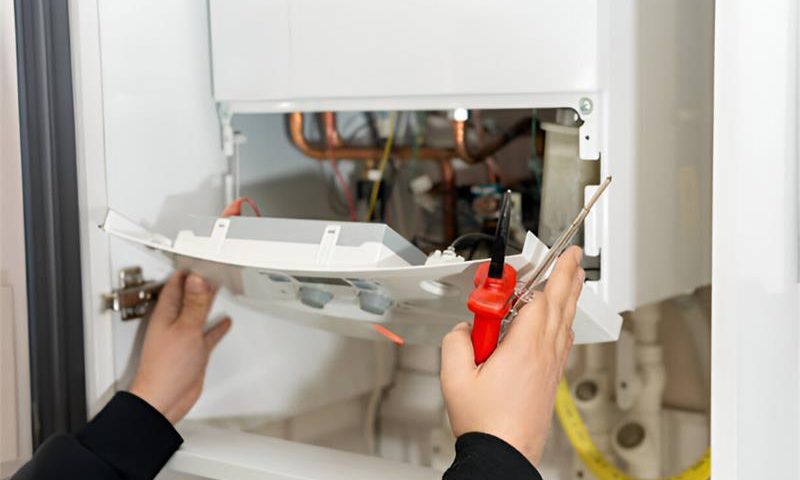
Installing a boiler is a multi-step process requiring professional expertise. It starts with assessing your existing system, deciding the most suitable location, and ensuring safety compliance. The old boiler is carefully removed, and new connections are installed. Pipes, radiators, and the flue are checked for compatibility. After installation, the boiler is tested for leaks, pressure is adjusted, and safety controls are verified. The installer will also demonstrate how to operate and maintain the system for optimal performance.
Preparing Your Home
Before installation, ensure the boiler location has adequate ventilation and easy access for servicing. Clear space around radiators and pipework to allow for a smooth installation process. Homeowners should also check for any building code requirements and confirm that the chosen boiler type is compatible with their property.
Post-Installation Checks
After installation, pressure levels, hot water flow, and heating efficiency are tested. Any issues are resolved immediately to ensure optimal performance. Homeowners are advised to register their boiler warranty, schedule annual maintenance, and keep a record of service visits to maintain efficiency and avoid costly repairs.
Energy Efficiency Tips
Even with a modern boiler, energy efficiency can be improved through proper use. Installing programmable or smart thermostats allows precise control of heating schedules, reducing wasted energy. Ensuring radiators are balanced and free of air pockets helps maintain even heat distribution. Regular servicing keeps the boiler running efficiently, prevents breakdowns, and extends the lifespan of the system. Consider insulation improvements in the home, such as loft or pipe insulation, to maximize heating efficiency.
Choosing a Trusted Installer
Selecting a Gas Safe registered engineer is crucial for safe and effective boiler installation. Verified installers provide accurate sizing advice, comply with safety regulations, and offer warranty-backed service. Homeowners should read reviews, check qualifications, and ensure the installer has experience with the chosen boiler brand and type. A reputable installer also offers guidance on energy efficiency and long-term maintenance.
Common Issues and How to Avoid Them
Common boiler problems include insufficient hot water, pressure loss, unusual noises, and frequent system shutdowns. Many issues arise from improper sizing, lack of maintenance, or outdated controls. Homeowners can avoid these problems by scheduling annual servicing, checking pressure regularly, and bleeding radiators when needed. Prompt attention to minor issues prevents expensive repairs and keeps the boiler operating efficiently.
Planning for Boiler Upgrades
When planning a boiler upgrade, consider your home’s heating history, energy efficiency goals, and potential future needs. Keep a log of previous repairs and maintenance to inform your installer. Early planning allows for budget preparation, comparison of models, and ensures the chosen boiler aligns with your long-term heating requirements.
Conclusion
Boiler installation is a significant home investment that improves comfort, efficiency, and reliability. Understanding boiler types, gas vs condensing options, correct sizing, installation steps, and energy efficiency measures allows homeowners to make informed choices.
Hiring a licensed professional ensures safety, compliance, and optimal performance. Proper maintenance and smart usage keep energy costs low and extend the boiler’s lifespan, making your home warm and efficient for years. Connect with West Gas Service to ensure safe and efficient gas service at your property.
Frequently Asked Questions
Q1: What type of boiler is best for my home?
A: Combi boilers are ideal for smaller homes with low hot water demand, while system or conventional boilers suit larger homes with multiple bathrooms.
Q2: How do I calculate the right boiler size?
A: Boiler size depends on property size, number of bathrooms, water usage, and insulation. A heating engineer can provide an accurate assessment.
Q3: What are the benefits of a condensing boiler?
A: Condensing boilers are highly efficient, lower fuel costs, reduce carbon emissions, and provide reliable heating and hot water.
Q4: Do I need a professional installer?
A: Yes. Boilers must be installed by a Gas Safe registered engineer to ensure safety, compliance, and warranty coverage.
Q5: How can I maintain my boiler for efficiency?
A: Schedule annual servicing, use programmable thermostats, maintain radiators, check pressure levels regularly, and keep a maintenance log to optimize performance.