Boiler Installation

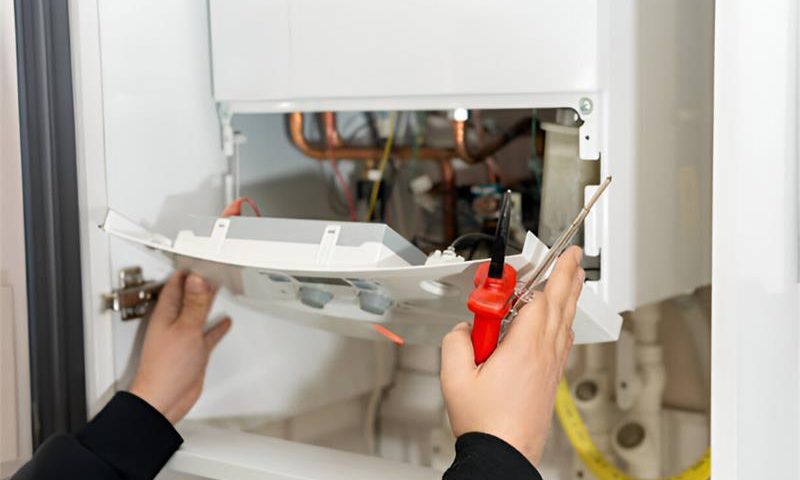
Boiler Installation: How to Choose the Right Boiler for Your Home

Boiler installation is a major home upgrade that directly affects comfort, heating efficiency, and energy costs. Choosing the right boiler type, size, and installation process ensures your home stays warm, energy bills remain manageable, and the system operates reliably for years. This guide explains boiler types, condensing boiler benefits, gas boiler selection, installation steps, energy efficiency tips, and maintenance advice for homeowners in Kingston.

Understanding Boiler Installation

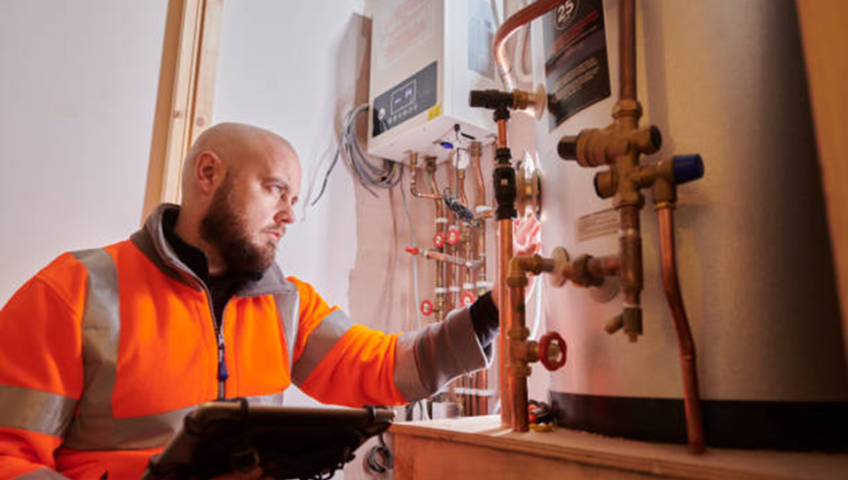
Boiler installation in Kingston involves selecting a new heating system, preparing your home’s plumbing and heating infrastructure, and safely installing the unit. A professionally installed boiler ensures long-term reliability, maximum efficiency, and compliance with safety standards. Proper installation can prevent costly repairs, improve hot water flow, and maintain consistent heating across your home.

Types of Boilers

There are three main boiler types: combi, system, and conventional. Combi boilers provide instant hot water without a storage tank, making them suitable for smaller homes with limited space. System boilers include a hot water cylinder and work well in larger homes with higher hot water demand. Conventional boilers are traditional units that store hot water in tanks and are compatible with older radiator systems. Choosing the right type depends on home size, hot water needs, and existing infrastructure.

Gas Boilers vs Condensing Boilers

Gas boilers are widely used for their reliability and relatively low running costs. Condensing boilers are an energy-efficient variant, capturing heat from exhaust gases that would normally be wasted. This additional heat increases overall efficiency, reduces fuel bills, and lowers carbon emissions. Condensing boilers are compatible with modern heating systems and are particularly recommended for homeowners looking to reduce energy costs while maintaining performance.

How to Choose the Right Boiler

Selecting the right boiler requires assessing your home’s heating requirements, hot water demand, and property size. Calculating boiler size accurately is essential, as an undersized unit may struggle to meet demand, while an oversized boiler can waste energy. Homeowners should also consider manufacturer reliability, warranty options, and compatibility with existing radiators, thermostats, and heating controls. Consulting a heating engineer ensures that the boiler you choose meets your specific needs.

Calculating Boiler Size

Boiler size is measured in kilowatts (kW). For smaller flats, a boiler of 24–27kW may be sufficient, whereas larger family homes with multiple bathrooms could require 28–34kW or higher. Accurate sizing ensures the boiler heats your home efficiently, delivers adequate hot water, and minimizes energy wastage. Professional assessment is recommended to avoid problems caused by improper sizing.

Benefits of a Condensing Boiler

Condensing boilers offer up to 90% efficiency by capturing heat from flue gases that would otherwise escape. This efficiency reduces energy bills, lowers carbon emissions, and ensures consistent hot water supply. Condensing boilers are compatible with modern central heating systems and are suitable for homes looking to upgrade older, less efficient units.

Boiler Installation Steps

Installing a boiler is a multi-step process requiring professional expertise. It starts with assessing your existing system, deciding the most suitable location, and ensuring safety compliance. The old boiler is carefully removed, and new connections are installed. Pipes, radiators, and the flue are checked for compatibility. After installation, the boiler is tested for leaks, pressure is adjusted, and safety controls are verified. The installer will also demonstrate how to operate and maintain the system for optimal performance.

Preparing Your Home

Before installation, ensure the boiler location has adequate ventilation and easy access for servicing. Clear space around radiators and pipework to allow for a smooth installation process. Homeowners should also check for any building code requirements and confirm that the chosen boiler type is compatible with their property.

Post-Installation Checks

After installation, pressure levels, hot water flow, and heating efficiency are tested. Any issues are resolved immediately to ensure optimal performance. Homeowners are advised to register their boiler warranty, schedule annual maintenance, and keep a record of service visits to maintain efficiency and avoid costly repairs.

Energy Efficiency Tips

Even with a modern boiler, energy efficiency can be improved through proper use. Installing programmable or smart thermostats allows precise control of heating schedules, reducing wasted energy. Ensuring radiators are balanced and free of air pockets helps maintain even heat distribution. Regular servicing keeps the boiler running efficiently, prevents breakdowns, and extends the lifespan of the system. Consider insulation improvements in the home, such as loft or pipe insulation, to maximize heating efficiency.

Choosing a Trusted Installer

Selecting a Gas Safe registered engineer is crucial for safe and effective boiler installation. Verified installers provide accurate sizing advice, comply with safety regulations, and offer warranty-backed service. Homeowners should read reviews, check qualifications, and ensure the installer has experience with the chosen boiler brand and type. A reputable installer also offers guidance on energy efficiency and long-term maintenance.

Common Issues and How to Avoid Them

Common boiler problems include insufficient hot water, pressure loss, unusual noises, and frequent system shutdowns. Many issues arise from improper sizing, lack of maintenance, or outdated controls. Homeowners can avoid these problems by scheduling annual servicing, checking pressure regularly, and bleeding radiators when needed. Prompt attention to minor issues prevents expensive repairs and keeps the boiler operating efficiently.

Planning for Boiler Upgrades

When planning a boiler upgrade, consider your home’s heating history, energy efficiency goals, and potential future needs. Keep a log of previous repairs and maintenance to inform your installer. Early planning allows for budget preparation, comparison of models, and ensures the chosen boiler aligns with your long-term heating requirements.

Conclusion

Boiler installation is a significant home investment that improves comfort, efficiency, and reliability. Understanding boiler types, gas vs condensing options, correct sizing, installation steps, and energy efficiency measures allows homeowners to make informed choices.

Hiring a licensed professional ensures safety, compliance, and optimal performance. Proper maintenance and smart usage keep energy costs low and extend the boiler’s lifespan, making your home warm and efficient for years. Connect with West Gas Service to ensure safe and efficient gas service at your property.

Frequently Asked Questions

Q1: What type of boiler is best for my home?

A: Combi boilers are ideal for smaller homes with low hot water demand, while system or conventional boilers suit larger homes with multiple bathrooms.

Q2: How do I calculate the right boiler size?

A: Boiler size depends on property size, number of bathrooms, water usage, and insulation. A heating engineer can provide an accurate assessment.

Q3: What are the benefits of a condensing boiler?

A: Condensing boilers are highly efficient, lower fuel costs, reduce carbon emissions, and provide reliable heating and hot water.

Q4: Do I need a professional installer?

A: Yes. Boilers must be installed by a Gas Safe registered engineer to ensure safety, compliance, and warranty coverage.

Q5: How can I maintain my boiler for efficiency?

A: Schedule annual servicing, use programmable thermostats, maintain radiators, check pressure levels regularly, and keep a maintenance log to optimize performance.
Plumbing Services

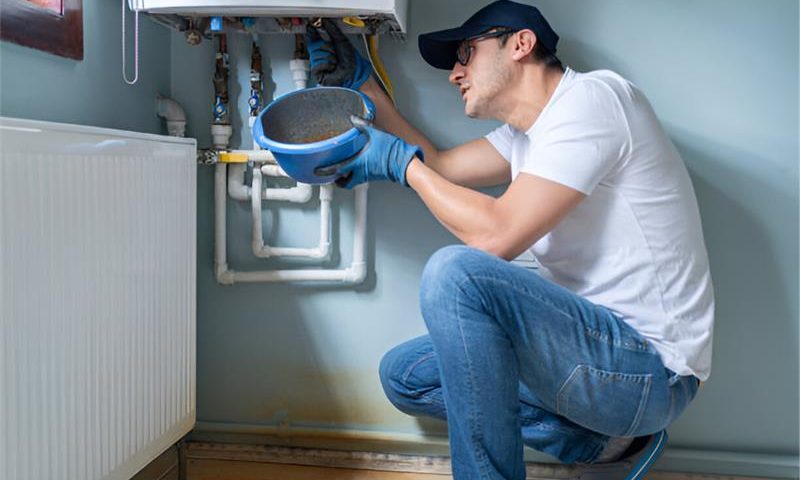
How Much Do Plumbing Services Cost in Kingston? A Complete Homeowner Guide

Understanding the cost of plumbing services in Kingston is essential for homeowners. Whether you need a simple repair, routine maintenance, or a major installation, knowing average plumbing costs, local plumber rates, and preventive measures helps you budget effectively. This guide walks you through typical plumbing estimates, cost to fix leaks, maintenance tips, and practical advice for protecting your home’s plumbing system.

Understanding Plumbing Services in Kingston

Plumbing services in Kingston cover a variety of tasks designed to keep your home’s water system running smoothly. These include leak repairs, drain cleaning, pipe replacement, boiler installation, fixture upgrades, and emergency repairs. Residential plumbing focuses on maintaining efficiency, preventing damage, and ensuring compliance with local regulations. Understanding the services available helps homeowners plan projects, request accurate estimates, and avoid paying for unnecessary work.

Types of Plumbing Services

Common residential plumbing services include repairing small leaks, unclogging drains, replacing worn-out pipes, installing new faucets, sinks, toilets, or showers, and servicing boilers or water heaters. Emergency plumbing services address urgent issues such as burst pipes, major leaks, or flooding. Some plumbers also provide preventive maintenance services, including inspections, pipe monitoring, and seasonal check-ups to avoid costly repairs.

Why Hiring a Local Plumber Matters

Hiring a plumber in Kingston has several advantages. Local plumbers are familiar with regional building codes, can respond faster in emergencies, and often provide ongoing maintenance support. A local professional can offer reliable estimates, perform work efficiently, and provide follow-up services when needed, giving homeowners peace of mind.

Average Plumbing Costs in Kingston

Plumbing service costs depend on the type of work, the materials used, the complexity of the plumbing system, and the plumber’s experience. Small repairs are generally affordable, while more extensive projects such as pipe replacement or boiler installation can be more expensive. Understanding average costs allows homeowners to budget effectively and compare quotes from multiple providers.

Common Plumbing Repairs and Their Costs

Minor leak repairs usually involve simple labour and materials. Drain cleaning costs vary based on the clog’s severity. Pipe replacement in a single room requires more time and resources. Installing new fixtures such as taps, sinks, or toilets involves both labour and materials. Boiler installation or repair is more complex and may require multiple visits depending on the system’s age and condition.

Factors Affecting Plumbing Costs

Several factors impact pricing, including the urgency of the repair, accessibility of pipes, material quality, system complexity, and required tools or technology. Emergency repairs may also cost more due to after-hours service or additional labour. Understanding these factors helps homeowners interpret quotes accurately and make informed decisions.

How to Get Accurate Plumbing Estimates

Requesting multiple estimates ensures you receive fair pricing. Homeowners should ask plumbers for a detailed breakdown of labour, materials, and potential additional charges. Some companies provide online estimates for minor jobs, but on-site inspections are necessary for complex repairs. Transparent estimates reduce surprises and build trust between homeowners and plumbing professionals.

Questions to Ask Your Plumber

When seeking a quote, ask what is included, the estimated duration of the work, warranty coverage, and if there are any hidden fees. Clarifying these points ensures homeowners understand the service scope, expected costs, and how to maintain results long-term.

Cost to Fix Leaks in Kingston

Leaks are a common household issue, and their repair costs vary by severity and location. Detecting leaks early can prevent extensive water damage and foundation problems.

Small Leaks

Minor leaks under sinks or around faucets are generally inexpensive to repair. They are straightforward and can often be fixed within a few hours without disrupting daily routines.

Hidden Leaks

Hidden leaks, such as those under concrete floors, behind walls, or beneath cabinets, require advanced detection methods like infrared detection, acoustic leak detection, or pressure testing. Repairs can be more expensive due to limited access, the need for specialized equipment, and potential restoration work after the repair.

Preventive Measures

Regular inspections and preventive care help homeowners avoid costly leak repairs. Simple steps include monitoring damp areas, checking pipes for unusual sounds, scheduling routine plumbing check-ups, and ensuring drains are clear. Early leak detection protects your home from water damage, foundation cracks, and mold growth.

Plumbing Maintenance Tips for Homeowners

Maintaining plumbing systems reduces the risk of emergencies and extends system longevity. Inspect faucets, hoses, and shower heads for leaks, flush water heaters annually, and avoid pouring grease or debris down drains. Winter precautions such as insulating exposed pipes prevent freezing and bursting. Homeowners should also periodically check toilets for leaks, ensure pressure regulators are functioning, and replace old fixtures before failure occurs.

How to Choose the Right Plumber in Kingston

Selecting a trusted plumber ensures quality work and reliable service. Look for licensed and insured professionals with positive reviews. Transparent estimates, clear communication, and responsiveness to emergencies are essential. Choosing a local plumbing company often results in faster service, better knowledge of area-specific plumbing systems, and access to ongoing maintenance programs.

Advanced Detection and Repair Methods

Modern plumbing uses advanced technology to detect and repair issues efficiently. Infrared detection identifies temperature changes behind walls and floors, revealing hidden leaks. Acoustic leak detection uses sound to locate water escaping pipes. Trenchless pipe repair minimizes disruption by avoiding extensive excavation. These techniques reduce repair time, cost, and damage to your property while ensuring accurate diagnostics.

Planning for Plumbing Projects

Before starting major plumbing work, homeowners should evaluate the full scope of the project, identify potential challenges, and obtain multiple quotes. Prioritizing preventive maintenance and scheduling repairs proactively saves money and minimizes disruptions. Keeping a plumbing checklist and maintenance log helps track service history, detect recurring issues, and plan future improvements.

Conclusion

Understanding plumbing services in Kingston and their costs is vital for homeowners. Familiarity with average plumber rates, common repair expenses, preventive maintenance, and modern detection methods allows homeowners to make informed decisions, save money, and avoid unexpected issues.

Routine inspections, early leak detection, and timely repairs prevent water damage, foundation problems, and costly emergencies. By hiring trusted local plumbers and maintaining your system, you ensure professional service, transparent pricing, and peace of mind for your home. Contact West Gas Service today for reliable and safe gas solutions.

Frequently Asked Questions

1. What is the average cost of plumbing services in Kingston?

A: Small repairs are typically straightforward and involve minor labour and materials, while more complex jobs like pipe replacement or boiler installation can require more time and resources.

2. How much does it cost to fix a leak?

A: Minor leaks are usually simple to repair, while hidden leaks under floors or walls may be more expensive depending on access and detection methods.

3. How can I prevent expensive plumbing repairs?

A: Regular inspections, checking pipes for leaks, maintaining drains, and scheduling annual professional maintenance help prevent costly repairs.

4. Should I hire a local plumber in Kingston?

A: Yes. Local plumbers respond faster, understand regional codes, and provide accurate estimates.

5. Do plumbers provide estimates before starting work?

A: Reputable plumbers give detailed estimates including labour, materials, and potential additional fees before work begins.

6. How do I choose the best plumber in Kingston?

A: Look for licensed and insured professionals with positive reviews, transparent pricing, and experience handling emergency plumbing issues.

Kingston Home

How to Choose the Right Boiler for Your Kingston Home in 2025

Introduction

Choosing the right boiler for your home is one of the most important decisions you can make as a homeowner. In 2025, heating technology has evolved to be more energy-efficient, eco-friendly, and adaptable to modern living standards. However, with so many options available today, picking the perfect boiler can seem overwhelming. Understanding how different systems work and how they align with your household’s needs is key to making an informed decision.

For residents of Kingston, a professional heating service plays a critical role in simplifying this process. By evaluating your home’s heating demand, energy efficiency goals, and current system setup, experts like West Gas Service can recommend the ideal boiler. Their experience ensures your home remains warm, cost-efficient, and safe year after year.

Understanding Modern Boilers in 2025

In 2025, homeowners have access to advanced boiler technologies that outperform traditional systems in almost every way. Modern boilers are designed for high energy efficiency, using condensing technology to recycle heat that older models would waste. Many new boilers also integrate smart controls, allowing you to monitor and adjust heating levels through a mobile app or smart thermostat, ensuring maximum comfort with minimal energy consumption.

Today’s boilers are built to meet stricter environmental regulations, producing fewer carbon emissions and reducing fuel waste. Some systems are even compatible with renewable energy sources such as solar panels and heat pumps, providing eco-conscious Kingston homeowners with clean and sustainable heating options. By investing in one of these efficient systems, you not only improve home comfort but also make a positive contribution to the environment and your long-term utility bills.

Why Choosing the Right Boiler Matters

A boiler is a long-term investment that directly affects your comfort, safety, and household expenses. Choosing the wrong model can lead to inconsistent heating, frequent breakdowns, and higher operating costs. For instance, an undersized boiler may struggle to heat large spaces efficiently, while an oversized one will waste energy and cycle on and off unnecessarily, reducing its lifespan.

By selecting the right boiler, you optimize both comfort and efficiency. A properly matched system will meet your home’s heating demands while keeping energy usage low. That translates to fewer repairs, more manageable monthly bills, and a reduced environmental footprint. Consulting with a professional heating service like West Gas Service ensures your system is tailored not only to your home’s specifications but also to your lifestyle and future energy goals.

Types of Boilers for Kingston Homes

Understanding the different types of boilers available is essential before making a purchase. The three main categories combi, system, and conventional cater to different property sizes, water demands, and energy preferences.

1. Combi Boilers

Combination, or “combi,” boilers are the most popular choice among Kingston homeowners because they provide heat and hot water directly from one compact unit. They do not require a separate water tank or cylinder, making them ideal for smaller homes or apartments where space is limited. Combi boilers deliver water on demand, ensuring instant warmth and consistent pressure.

2. System Boilers

System boilers are best suited for medium to large homes with higher water demands. They use a hot water cylinder to store pre-heated water, making it possible to use multiple showers or taps simultaneously without a drop in performance. They provide reliable and steady heating while maintaining good pressure levels, which is why they’re widely preferred for larger households.

3. Conventional Boilers

Also known as regular or heat-only boilers, conventional systems operate with both a hot-water cylinder and a cold-water storage tank usually installed in the loft. These boilers are ideal for homes with older plumbing systems or those already using traditional radiators. They offer a dependable source of heat for properties requiring large volumes of hot water but come with higher installation space requirements.

Knowing the differences between these options helps you avoid mismatched systems and ensures maximum efficiency and comfort.

Factors to Consider Before Buying a Boiler

Before purchasing a new boiler, it’s vital to evaluate several key factors that influence long-term performance and return on investment.

The first factor is home size. A smaller property may thrive with a combi boiler, while a larger home benefits from a system or conventional model that can handle greater water demands. Next, assess your typical water usage families who use multiple showers simultaneously require higher output systems.

Fuel type is another major consideration. Most Kingston homes run on natural gas, but if yours doesn’t, you may need to explore LPG or oil systems. Checking your property’s insulation and existing heating infrastructure helps determine compatibility.

Lastly, always account for energy efficiency ratings and annual maintenance costs. A highly rated boiler may cost more upfront but saves considerably over time through reduced energy bills. A professional heating service can evaluate all these variables to help you make a smart, cost-effective decision.

The Importance of Energy Efficiency

Energy efficiency is the defining factor of modern home heating systems in 2025. With rising energy prices and environmental awareness, every homeowner can benefit from a boiler that converts more fuel into usable heat. Modern condensing boilers achieve over 90 percent efficiency by reusing heat from exhaust gases, reducing energy waste significantly compared to older models.

An efficient boiler not only lowers your utility bills but also contributes to environmental sustainability. Upgrading to one of these systems can cut carbon emissions and help Kingston households meet government efficiency targets. Partnering with experts like West Gas Service ensures that your new boiler is precisely calibrated for peak performance, helping you achieve the right balance between comfort, savings, and sustainability.

How a Professional Heating Service Can Help

A professional heating service does far more than install a new system. Their knowledge ensures that every component size, layout, and controls works harmoniously for optimal performance. Professionals assess your home’s heating load, water usage, and even your insulation quality to recommend a system that suits your exact requirements.

Installation quality has a major impact on efficiency. An incorrectly installed boiler may waste energy and cause safety issues. Professionals from West Gas Service follow best practices and comply with all UK safety regulations, giving you complete peace of mind. Beyond installation, they also offer annual maintenance, repair services, and diagnostic checks to keep your system in top condition for years to come.

Steps Involved in a New Boiler Installation

Installing a new boiler involves careful planning and precision. With a professional heating service, each stage is handled methodically to ensure safety, efficiency, and compliance with regulations.

  1. Initial consultation and home inspection – The process begins with a detailed review of your home’s heat demands and insulation.
  2. System selection and design – The engineer recommends a boiler type and size suited to your property’s structure and water usage.
  3. Removal of the old system – The existing boiler is disconnected and responsibly disposed of following environmental regulations.
  4. New boiler installation – The team installs the chosen model, connects pipes, and integrates the system with your home’s thermostat or smart controls.
  5. Testing and safety checks – The system undergoes a full performance and leak test to guarantee correct operation.
  6. Handover and guidance – The engineer explains operating procedures, warranty coverage, and maintenance tips for optimal longevity.

This structured approach ensures your investment is safe, future-ready, and fully compliant with energy efficiency standards.

Common Mistakes to Avoid When Choosing a Boiler

Many homeowners make costly errors when replacing or upgrading their boilers. The most common mistake is purchasing based solely on price rather than performance. A cheaper model may seem appealing but can lead to inefficiency and higher running costs over time.

Another frequent issue is choosing the wrong boiler size. Oversized systems may overheat quickly, wasting energy, whereas undersized ones struggle to meet heating demands. Neglecting professional consultation, failing to check warranty details, and skipping annual maintenance can all reduce performance and void manufacturer guarantees.

Avoiding these pitfalls is straightforward when guided by certified experts. West Gas Service helps customers avoid common missteps by recommending systems that balance reliability, cost-efficiency, and sustainability.

Comparing Boiler Types: Efficiency and Cost

Boiler Type Ideal For Efficiency Range Approximate Installation Cost
Combi Boiler Small homes 90–94% £1,800–£3,000
System Boiler Medium homes 88–92% £2,000–£3,500
Conventional Boiler Large homes 85–90% £2,500–£4,000

Comparing options side by side helps homeowners understand the balance between initial investment and long-term savings. Efficiency and cost should be weighed carefully, as modern boilers often pay for themselves within a few years through reduced energy use. Consulting with a professional heating service ensures accurate pricing and realistic performance estimates for your property.

How West Gas Service Supports Kingston Homeowners

West Gas Service stands as a trusted provider of heating solutions in Kingston, known for professionalism, reliability, and customer care. Their team of certified engineers brings years of experience in boiler installation, diagnostics, and maintenance, helping homeowners make well-informed choices.

Their comprehensive approach covers everything from system evaluation to post-installation guidance, ensuring every customer receives the highest level of safety and performance. By choosing West Gas Service, homeowners can enjoy the confidence that comes from expert care, transparent communication, and exceptional workmanship.

With a focus on long-term comfort and efficiency, West Gas Service continues to be a reliable partner for Kingston residents seeking quality heating solutions.

Conclusion

Selecting the right boiler for your Kingston home is about balancing performance, efficiency, and long-term reliability. With advancements in heating technology, modern boilers can significantly improve home comfort while reducing operational costs. The key is to choose a system that aligns with your lifestyle and property requirements while meeting sustainability goals. By partnering with a trusted professional heating service like West Gas Service, you gain access to expert assessments, safe installations, and maintenance support tailored to your home. Their knowledge ensures that your heating system continues to perform efficiently well into the future. For advice, inspections, or to schedule a boiler installation, contact us at West Gas Service for professional guidance and reliable solutions.

Frequently Asked Questions

1. How often should my boiler be serviced?
It is recommended to service your boiler once each year. Regular maintenance helps identify minor issues before they develop into costly repairs and keeps your system running efficiently.

2. Should I replace a working boiler?
If your current boiler is over ten years old or showing signs of inefficiency, upgrading can reduce energy consumption and improve reliability even if it still functions.

3. Can I install my own boiler?
Installation must only be performed by a certified engineer. Attempting self-installation can result in safety risks and legal noncompliance.

4. What size boiler does my home need?
Size depends on your home’s square footage, insulation quality, and water consumption. A professional heating service calculates the appropriate boiler output to ensure maximum comfort.

5. Why are newer boilers more efficient?
Newer boilers use condensing technology that extracts additional heat from exhaust gases, converting up to 90 percent of fuel into usable energy while wasting less.

Heating Service

When and Why You Need a Combustion Analysis for Your Central Heating

Introduction

In homes across Kingston and beyond, central heating systems play an essential role in maintaining warmth and comfort. Yet, while homeowners often focus on repairs or replacements, they sometimes overlook a critical aspect of heating maintenance combustion analysis. This detailed inspection ensures that the system is not only working but functioning at its highest efficiency and safety level.

When combustion within your system is not properly regulated, it can lead to increased fuel consumption, unstable performance, and even hazardous gas emissions. Regular combustion analysis helps detect these issues before they cause long-term damage or safety risks. By hiring a reputable heating service like West Gas Service, homeowners gain reliable, professional insight into how well their boilers and furnaces are performing and how to keep them operating efficiently through expert monitoring and adjustment.

What Is Combustion Analysis in Central Heating?

Combustion analysis is a precise assessment performed by heating specialists to evaluate the quality and balance of the fuel-burning process inside your boiler or furnace. The test measures the ratio of air to fuel and checks how much of the energy from that fuel is being converted into usable heat. When combustion is balanced, your system operates more efficiently and safely, reducing energy waste and preventing harmful emissions.

Modern heating systems rely on fine-tuned combustion to deliver consistent heating and hot water. Small variations in pressure or air intake can alter the burn ratio, leading to inefficiency. During combustion analysis, technicians use digital analyzers to measure key gases such as oxygen (O₂), carbon monoxide (CO), and carbon dioxide (CO₂). These readings help determine whether adjustments are needed to maintain optimal performance. Accurate testing ensures improved energy savings and reduced environmental impact over time.

Why Combustion Analysis Is Important

Combustion analysis is far more than just a technical check; it is a safety, performance, and efficiency safeguard. An imbalanced air-fuel mixture can make your boiler or heating unit burn fuel inefficiently, producing excess carbon monoxide or wasting valuable energy. This inefficiency leads to higher energy bills and puts unnecessary strain on your heating components.

Regular combustion analysis performed by heating specialists ensures precise tuning of the combustion process, allowing your system to achieve its designed efficiency levels. More importantly, it protects the safety of your household by measuring and regulating potentially harmful gases. Professional heating services like West Gas Service use this process to identify early signs of failure or imbalance, helping homeowners prevent unexpected breakdowns. A consistent schedule of testing results in lower operational costs, extended equipment life, and complete peace of mind.

Signs Your Heating System Needs Combustion Testing

Recognizing when to schedule combustion testing can save you time, money, and energy. Several visible and subtle signs may indicate your heating system requires attention from qualified heating specialists. If your home’s heating has become inconsistent or your system frequently powers on and off, it may be struggling to maintain proper combustion.

A yellow or flickering pilot light often signifies incomplete combustion, a problem that can lead to carbon buildup and inefficiency. Similarly, unexplained increases in heating bills usually point to energy waste. You might also notice strange odors or soot deposits near vents, both of which are potential signs of venting or gas ratio imbalances.

If any of these symptoms appear, it’s essential to contact a professional heating service. West Gas Service encourages homeowners to schedule an evaluation whenever they suspect combustion issues especially ahead of the winter season, when demand on the system is highest.

How the Combustion Analysis Process Works

Combustion analysis involves a combination of technical measurements and careful adjustments performed by certified heating specialists. The process begins with a visual inspection, where the technician checks for any signs of corrosion, soot buildup, loose connections, or blockages in the flue. After ensuring the system is safe to operate, specialized equipment is used to measure exhaust gases.

A combustion analyzer is connected to the flue outlet, where it collects data on oxygen, carbon dioxide, and other gases released during the heating process. The technician then compares the results with manufacturer specifications to determine if the system operates within safe and efficient parameters. If the results indicate imbalances, the heating professional adjusts burner pressure or airflow to restore peak efficiency.

This detailed process ensures your boiler or furnace burns fuel cleanly and minimizes waste. Regular checks like these maintain safety standards, optimize performance, and help homeowners achieve steady, reliable heating performance year after year.

Key Measurements Taken During Combustion Analysis

Measurement Description Purpose
Carbon Monoxide (CO) A toxic byproduct of incomplete combustion. Identifies dangerous conditions and ventilation issues.
Carbon Dioxide (CO₂) Produced during complete combustion. Represents fuel efficiency and proper air-fuel balance.
Oxygen (O₂) Remaining air present in exhaust gases. Shows combustion effectiveness and airflow stability.
Flue Gas Temperature Temperature of expelled gases. Indicates energy lost through exhaust.
Efficiency Percentage Comparison of actual output vs. fuel consumption. Evaluates system’s overall performance and energy retention.

By assessing these values, heating specialists determine exactly how well the system is performing. Modern analyzers provide data that enable technicians to fine-tune operations and detect even the smallest inefficiencies before they become issues.

Benefits of Regular Combustion Analysis

Scheduling regular combustion analysis brings multiple short-term and long-term benefits to homeowners. Firstly, it enhances the energy efficiency of your system by ensuring that every unit of fuel is converted into usable heat. This improvement not only reduces energy consumption but also directly lowers energy bills.

Secondly, it improves safety by detecting early signs of incomplete combustion or dangerous gas leaks long before they pose a threat. A well-calibrated system runs more quietly, distributes heat evenly, and experiences far fewer component failures. Over time, these gains result in prolonged equipment lifespan and reduced repair frequency.

Additionally, regular testing supports compliance with manufacturer warranties and legal safety regulations. Many warranty agreements now require periodic testing and certification, which heating services like West Gas Service are fully equipped to provide.

Common Issues Detected by Heating Specialists

During combustion analysis, several key problems may emerge that indicate inefficiencies or hazards within your heating system. Some of the most frequent issues include blocked or dirty burners, insufficient airflow, or worn-out seals leading to gas leaks. These conditions can significantly reduce efficiency and cause unpredictable heating performance.

Technicians may also discover imbalances in gas pressure or excessive moisture inside the flue, both of which hinder combustion stability. Damage to the heat exchanger an essential part that transfers heat to your home’s air or water supply can also be identified through irregular combustion readings.

A qualified heating service like West Gas Service has the diagnostic expertise to identify these issues swiftly. After analysis, specialists recommend targeted repairs or recalibrations to restore your system’s balance, helping you maintain safety and reduce long-term costs.

Understanding Combustion Efficiency and Safety

Combustion efficiency reflects how effectively your boiler or furnace converts energy from fuel into usable heat. Even a slight deviation in efficiency say, dropping from 90% to 85% can lead to substantial energy waste over the course of a year. Low efficiency often stems from poor burner adjustments, insufficient ventilation, or blocked air passages.

Safety is another crucial aspect. Incomplete combustion can produce invisible yet deadly carbon monoxide gas. Without regular testing, these small leaks may go unnoticed. Annual testing ensures that emissions remain within safe limits, protecting your household from serious health risks.

Heating specialists at West Gas Service take a data-driven approach to efficiency and safety testing, ensuring your system operates precisely as designed by the manufacturer.

Scheduling a Professional Heating Service

To maintain your system’s reliability and efficiency, combustion analysis should be performed as part of an annual heating service visit. Technicians inspect the entire heating system, evaluating burners, pressure levels, thermostats, and filters before running combustion tests. Conducting the analysis before winter ensures that any issues are resolved ahead of the coldest months.

Homeowners can schedule this inspection easily through trusted providers like West Gas Service, whose team of certified heating specialists provides thorough diagnostics and maintenance tailored to every type of central heating system. Professional testing not only safeguards your investment but ensures compliance with the latest energy standards.

Comparing Routine Maintenance vs. Full Combustion Analysis

Aspect Routine Maintenance Full Combustion Analysis
Purpose Basic system inspection and cleaning In-depth gas and combustion efficiency testing
Focus General wear, filters, and valves Air-fuel ratio, CO₂ and CO readings, efficiency output
Tools Used Visual checks and handheld gauges Advanced digital analyzers with gas sensors
Duration 30–45 minutes 60–90 minutes
Outcome Ensures system readiness Confirms safety, efficiency, and compliance

Routine checks maintain overall function, while combustion analysis provides scientific data that verifies optimal operation.

Why Choose West Gas Service for Heating Solutions

West Gas Service is a trusted name recognized throughout Kingston for its dedication to quality, safety, and professionalism in central heating maintenance. Their team of heating specialists combines technical expertise with reliable service, ensuring every customer receives a thorough and accurate combustion analysis.

Each service is performed using state-of-the-art diagnostic tools that guarantee precise readings. Beyond analysis, the team provides actionable insights to help homeowners improve heating efficiency and safety. West Gas Service’s consistent focus on customer satisfaction and long-term reliability sets it apart as a dependable partner for every heating-related need.

By choosing West Gas Service, you can trust that your system is thoroughly inspected, tuned, and optimized to deliver maximum performance year after year.

Conclusion

Combustion analysis is a vital element of responsible heating system maintenance. It ensures that your central heating unit operates safely, efficiently, and in compliance with modern environmental standards. Ignoring this service can lead to wasted fuel, increased costs, and potential safety risks. Homeowners can avoid these issues by scheduling regular analysis with a certified heating service. Partnering with West Gas Service guarantees peace of mind and professional care, as their heating specialists combine technical precision with customer-focused reliability. For expert advice, to arrange a detailed system inspection, or to schedule a combustion test, contact us at West Gas Service for trusted support and accurate results.

Frequently Asked Questions

1. How often should a combustion analysis be performed?
Experts recommend annual testing before winter. Regular testing maintains efficiency and prevents safety hazards.

2. Is combustion analysis necessary for new boilers?
Yes. Even new installations require testing to ensure correct air-fuel calibration and safety compliance.

3. Can homeowners conduct combustion analysis themselves?
No. It requires specialized measuring instruments and certified training that only professional heating specialists possess.

4. Does combustion testing save money in the long run?
Yes. By improving efficiency and reducing breakdowns, combustion analysis lowers energy costs and prolongs equipment life.

5. What happens if my system fails combustion testing?
If the readings show unsafe or inefficient operation, a professional technician will adjust the burners or repair faulty components to restore balance.

Practical Guide to LPG Gas Installations in Caravans and Horseboxes in Buckinghamshire

LPG Gas

Understanding LPG and Its Applications in Mobile Units

What is LPG?

LPG, or liquefied petroleum gas, is a flammable mixture primarily composed of propane and butane. It is stored under pressure in cylinders and vaporises when released, providing a clean-burning fuel source for appliances such as stoves, heaters, and water systems. The portability and high energy efficiency of LPG make it particularly suited to mobile environments such as caravans, horseboxes, and trailers. However, LPG’s flammable nature demands careful handling, rigorous safety protocols, and regular monitoring. WestGasService ensures that every LPG system installation in mobile units uses components designed to withstand movement and vibration, reducing the risk of leaks or malfunctions.

Common Hazards in Mobile Units

Using LPG in caravans and horseboxes presents unique risks that must not be underestimated:

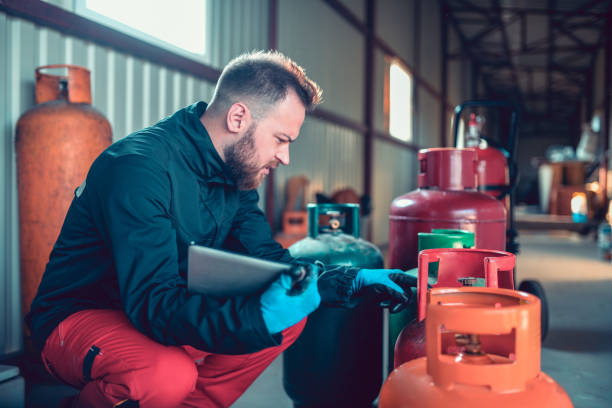
  • Gas leaks: These are commonly caused by damaged hoses, loose fittings, or faulty regulators. Even small leaks can pose a serious hazard if undetected.
  • Fire hazards: Any spark or open flame near leaking gas can ignite, potentially causing severe damage to both property and occupants.
  • Carbon monoxide (CO) exposure: Inadequate ventilation can allow CO to accumulate silently, posing a hidden threat to health.
  • Cylinder damage: Mishandling or improper storage of LPG cylinders can compromise safety and lead to accidents.

Recognising these hazards is the first step toward preventing them. Professional installation and regular maintenance by WestGasService help mitigate these risks, ensuring every mobile unit is safe and compliant.

Preparing for LPG Gas Installations

Assessing Space and Ventilation

Proper installation begins with a careful assessment of the available space. LPG cylinders must always be stored upright in compartments that allow for continuous ventilation. Adequate airflow is critical, as it prevents gas from accumulating and reduces the risk of carbon monoxide exposure. Appliances such as heaters and stoves should be positioned with enough clearance to allow heat to dissipate safely. WestGasService evaluates every caravan or horsebox layout to optimise cylinder storage, airflow, and safety zones, ensuring a fully compliant installation.

Selecting Appropriate Equipment

Not all gas equipment is suitable for mobile use. It is vital to select cylinders, hoses, regulators, and appliances specifically designed for the movement and vibration inherent in caravans and horseboxes. Using domestic or low-quality components can increase the likelihood of leaks or equipment failure. WestGasService recommends sourcing all LPG equipment from trusted suppliers, guaranteeing compliance with UK safety standards and ensuring long-term reliability.

Step-by-Step Guide to Safe LPG Gas Installations

Professional installation is critical for both safety and legal compliance. WestGasService provides expert London & Surrey gas services for every step of the process.

1. Certified Installation

All LPG installations must be carried out by certified engineers. DIY attempts are unsafe and illegal under UK regulations. WestGasService employs fully certified engineers who follow rigorous procedures for connecting cylinders, hoses, and regulators, ensuring each system meets national safety standards.

2. Proper Cylinder Placement

Correct cylinder placement is essential for safe operation:

  • Store cylinders upright and secure them to prevent tipping during movement.
  • Ensure the storage compartment is ventilated to prevent gas buildup.
  • Avoid placing cylinders near heat sources, electrical wiring, or direct sunlight.

WestGasService meticulously plans cylinder placement to maximise safety and operational efficiency, tailored to each mobile unit layout.

3. Leak Detection and Testing

Routine inspections are crucial for identifying potential hazards before they escalate:

  • Use electronic gas detectors or leak detection sprays to monitor for leaks.
  • Check hoses, connectors, and regulators before every journey.
  • Replace worn or damaged components immediately.

WestGasService conducts thorough leak testing during every installation, ensuring peace of mind for caravan and horsebox owners.

4. Appliance Setup and Maintenance

Appliances like heaters, stoves, and water systems should be installed with sufficient spacing and ventilation:

  • Maintain clearance around appliances to dissipate heat effectively.
  • Ensure vents remain unobstructed for proper airflow.
  • Follow manufacturer instructions for maintenance and servicing.

Regular upkeep extends the life of appliances while maintaining safe and reliable operation. WestGasService provides guidance on appliance placement and ongoing maintenance.

Recommended Safety Equipment

Using proper safety equipment reduces risk and ensures compliance:

Equipment Purpose Recommended Practice
Gas detector Detects leaks Install near cylinder storage and appliances
Fire extinguisher (Class B) Controls flammable liquid fires Keep accessible and check monthly
Gas shut-off valve Stops gas flow in emergencies Test monthly
Carbon monoxide alarm Alerts CO presence Install near appliances and living areas

WestGasService not only installs LPG systems but also advises on the selection and proper use of essential safety equipment.

Operational Safety Guidelines

Ventilation

Ensuring adequate ventilation is critical. Gas can accumulate quickly in confined mobile units, raising the risk of fire or CO poisoning. WestGasService ensures vents are correctly positioned and remain unobstructed for optimal airflow.

User Training

Operators should understand:

  • How to detect gas leaks.
  • Proper use of shut-off valves.
  • Correct handling of fire extinguishers.
  • Emergency evacuation procedures.

Professional training provided by WestGasService enhances response times and helps prevent accidents.

Emergency Preparedness

A clear emergency plan should be in place:

  • Define evacuation routes.
  • Keep emergency contact numbers accessible.
  • Provide instructions for shutting off gas and using safety equipment.

Preparedness ensures quick and effective response to any incident, protecting both people and property.

Regular Professional Inspections

Annual inspections by certified engineers are mandatory for safety and compliance. West Gas Service offers professional inspections to detect early hazards, verify system integrity, and maintain optimal operational performance.

UK Legal Requirements

LPG installations in mobile units must comply with the Gas Safety (Installation and Use) Regulations 1998. Key legal requirements include:

  • Only certified engineers can install or service LPG systems.
  • Equipment must meet standards designed for mobile use.
  • Safety inspections and record-keeping are mandatory.

Non-compliance can result in fines, insurance complications, and hazardous conditions. Using professional London & Surrey gas services, such as WestGasService, ensures all legal requirements are met.

Common Mistakes to Avoid

  • Using damaged hoses or faulty connectors.
  • Storing cylinders indoors or near heat sources.
  • Ignoring minor gas leaks.
  • Attempting DIY installations.
  • Operating in poorly ventilated spaces.

Avoiding these errors reduces risks and promotes safe, efficient LPG operation in mobile units.

Table: Summary of LPG Safety Practices

Practice Description Recommended by WestGasService
Certified Installation Expert setup of cylinders and appliances yes
Leak Detection Regular checks using detectors or solutions yes
Ventilation Adequate airflow in mobile units yes
Fire Safety Equipment Installation of extinguishers and alarms yes
Routine Maintenance Regular servicing and inspections yes

FAQ Section

Q1: Can I install LPG appliances in a caravan myself?
A: No. All installations must be carried out by certified engineers to comply with UK safety regulations. WestGasService provides professional installation services.

Q2: How often should LPG systems be checked?
A: Visual inspections should be conducted weekly, with professional inspections performed annually by certified engineers such as those from WestGasService.

Q3: What should I do if I smell gas?
A: Immediately turn off the cylinder, evacuate the area, and contact emergency services. Avoid using electrical switches or open flames.

Q4: Does WestGasService provide emergency LPG services?
A: Yes. They offer inspections, repairs, and support as part of their London & Surrey gas services.

Q5: Is ventilation mandatory for LPG systems in mobile units?
A: Yes. Proper ventilation is essential to prevent gas and CO buildup.

Conclusion

Safe LPG gas installations in caravans and horseboxes are essential for protecting occupants, property, and ensuring regulatory compliance. Following best practices including certified installation, correct cylinder placement, regular maintenance, proper ventilation, and using essential safety equipment creates a secure and efficient mobile LPG system. WestGasService offers professional London & Surrey gas services, handling installations, inspections, and emergency support to guarantee peace of mind for mobile unit owners. For expert guidance and professional LPG installations, contact us West Gas Service.

Essential LPG Gas Safety Practices for Rural Kitchen Trailers: A Guide for Berkshire Caterers

LPG Gas Safety

Operating a rural kitchen trailer comes with a unique set of challenges, particularly when it comes to managing LPG gas installations. LPG, or liquefied petroleum gas, is highly popular in mobile catering because it is efficient, portable, and provides a consistent heat source for cooking appliances. However, its flammable nature means that even minor mistakes can result in serious accidents, property damage, or personal injury. Caterers in Berkshire need to understand the importance of LPG safety and adopt practical strategies to minimise risks. This guide provides in-depth advice on essential LPG gas safety practices specifically tailored for rural kitchen trailers.

WestGasService, a leading provider of LPG services in Kingston, has years of experience handling LPG gas installations and maintenance. Their expertise ensures that safety is never compromised, giving caterers peace of mind while operating their mobile kitchens. From installation to routine checks, professional guidance is critical for maintaining a safe working environment.

Understanding LPG Gas and Its Risks

What is LPG?

LPG, or liquefied petroleum gas, is a combination of propane and butane stored under pressure in liquid form. Once released, it vaporizes and can be used to fuel cooking appliances in mobile kitchens. While highly effective, LPG is extremely flammable. Even a small leak can lead to fires or explosions if it comes into contact with an ignition source. Understanding the chemical properties and behavior of LPG is the first step toward safe handling and storage.

Common Risks in Rural Kitchen Trailers

Operating a kitchen trailer in rural areas can increase exposure to certain LPG-related risks:

  • Gas leaks: Leaks often occur due to worn hoses, loose connections, or damage to cylinders. Detecting these early is crucial to preventing accidents.
  • Fire hazards: Open flames or sparks near LPG cylinders can ignite gas, leading to serious fire incidents.
  • Carbon monoxide exposure: Improper ventilation can result in CO buildup, which is a silent and potentially fatal threat.
  • Cylinder damage: Dropping, mishandling, or improper storage of LPG cylinders can compromise their structural integrity, leading to leaks or explosions.

By being aware of these hazards, caterers can take proactive steps to safeguard their staff, customers, and equipment.

Best Practices for LPG Gas Installations in Mobile Kitchens

Proper LPG gas installations are the foundation of a safe mobile kitchen. Following these best practices will significantly reduce risks associated with rural kitchen trailers.

1. Certified Installation

All LPG gas installations must be completed by certified professionals. This ensures that every cylinder, hose, regulator, and appliance is correctly installed to meet legal and safety standards. WestGasService provides certified LPG services in Kingston, guaranteeing professional installation and ongoing support. Using unqualified personnel or attempting DIY installations is extremely risky and could result in serious accidents.

2. Correct Cylinder Placement

Proper placement of LPG cylinders is essential for safe operation:

  • Always keep cylinders upright and secure to prevent tipping.
  • Store cylinders in well-ventilated areas to allow gas to disperse safely in case of a leak.
  • Avoid placing cylinders near heat sources, electrical equipment, or direct sunlight.

Correct placement minimizes the risk of leaks, fire, and accidental damage.

3. Regular Leak Checks

Routine inspections are critical for maintaining a safe LPG system:

  • Use leak detection solutions or electronic gas detectors to identify leaks early.
  • Check hoses, connectors, and regulators before every operation.
  • Replace any worn or damaged parts immediately to prevent incidents.

Regular monitoring ensures that minor issues do not escalate into major safety hazards.

4. Maintenance of Appliances

Appliances such as burners, ovens, and grills must be maintained meticulously:

  • Inspect appliances regularly for wear, corrosion, or blockages.
  • Ensure proper ventilation around cooking areas to prevent carbon monoxide buildup.
  • Replace any defective parts promptly and service equipment as per manufacturer guidelines.

Maintaining appliances not only ensures safety but also improves operational efficiency.

Safety Equipment Every Trailer Should Have

Using the right safety equipment is crucial for LPG operations. The following table outlines essential tools and their purpose:

Equipment Purpose Recommended Practice
Gas detector Detects leaks Install near cylinder storage and cooking areas
Fire extinguisher (Class B) Controls flammable liquid fires Keep easily accessible and check monthly
Gas shut-off valve Stops gas flow in emergencies Test monthly for proper operation
Carbon monoxide alarm Alerts CO presence Install near cooking appliances

WestGasService provides professional guidance for the installation and maintenance of these devices, ensuring trailers meet safety standards and legal requirements.

Operational Safety Tips for Caterers

Ventilation

Always operate rural kitchen trailers in open or well-ventilated areas. Proper airflow helps disperse any leaked gas and significantly reduces the risk of carbon monoxide poisoning. Trailers with enclosed spaces or poor airflow pose a serious threat to staff and customers.

Staff Training

Staff handling LPG must be trained to respond to emergencies effectively. Training should include:

  • Identifying gas leaks quickly.
  • Operating shut-off valves correctly.
  • Using fire extinguishers safely.

Investing in staff training ensures that everyone can act confidently in emergency situations.

Emergency Preparedness

Develop a clear emergency plan that includes:

  • Evacuation routes for staff and customers.
  • Emergency contact numbers for local fire and gas services.
  • Step-by-step instructions for shutting off gas and using safety equipment.

Familiarity with emergency procedures reduces panic and enables efficient handling of incidents.

Regular Inspections

Annual inspections by certified professionals such as WestGasService are essential. Regular checks identify potential hazards before they escalate, keeping your kitchen trailer safe and compliant with UK regulations.

Legal and Regulatory Considerations

In the UK, LPG installations are governed by strict regulations to ensure safety:

  • Compliance with the Gas Safety (Installation and Use) Regulations 1998 is mandatory.
  • Only certified engineers should perform installation and maintenance.
  • Regular safety inspections and accurate record-keeping are required.

Non-compliance can result in fines, voided insurance, and increased risk of accidents. Engaging professional LPG services in Kingston helps caterers maintain compliance while prioritising safety.

Common Mistakes to Avoid

Avoiding common errors is key to preventing accidents:

  • Using damaged hoses, connectors, or regulators.
  • Storing cylinders indoors or near heat sources.
  • Ignoring small leaks or warning signs.
  • Attempting DIY installations without certification.
  • Operating in confined or poorly ventilated spaces.

By steering clear of these mistakes, caterers can safeguard their teams, customers, and assets.

Table: Comparison of LPG Safety Practices

Practice Description Recommended By WestGasService
Certified Installation Professional setup of cylinders and appliances Yes
Leak Detection Regular checks using sensors or solutions yes
Ventilation Ensuring airflow in cooking areas yes
Fire Safety Equipment Use of extinguishers and alarms yes
Routine Maintenance Regular checks and part replacement yes

This table provides a concise overview of essential safety practices for rural kitchen trailers.

FAQ Section

Q1: How often should LPG cylinders be checked?
A: Cylinders should undergo a visual inspection weekly, and a professional inspection should be carried out annually to ensure full compliance and safety.

Q2: Can I install LPG appliances myself?
A: No. All LPG gas installations must be performed by certified engineers to ensure safety and legal compliance.

Q3: What should I do if I smell gas?
A: Immediately turn off the cylinder, evacuate the area, and contact emergency services. Never use electrical switches or open flames while gas is present.

Q4: Does WestGasService provide emergency LPG services?
A: Yes. WestGasService offers reliable LPG services in Kingston, including emergency inspections, repairs, and support.

Q5: Are mobile kitchen trailers required to have fire extinguishers?
A: Yes. UK law requires Class B fire extinguishers and other safety equipment to be on board for all LPG-equipped trailers.

Conclusion

Ensuring LPG gas safety in rural kitchen trailers is crucial for protecting staff, customers, and property. By following best practices for LPG gas installations, using proper safety equipment, maintaining appliances regularly, and relying on certified professionals like WestGasService, caterers in Berkshire can operate confidently and securely. Prioritising safety is not only a legal requirement but also a vital component of responsible catering operations.

For more information on professional LPG services in Kingston, contact us or visit WestGasService LPG Services.