
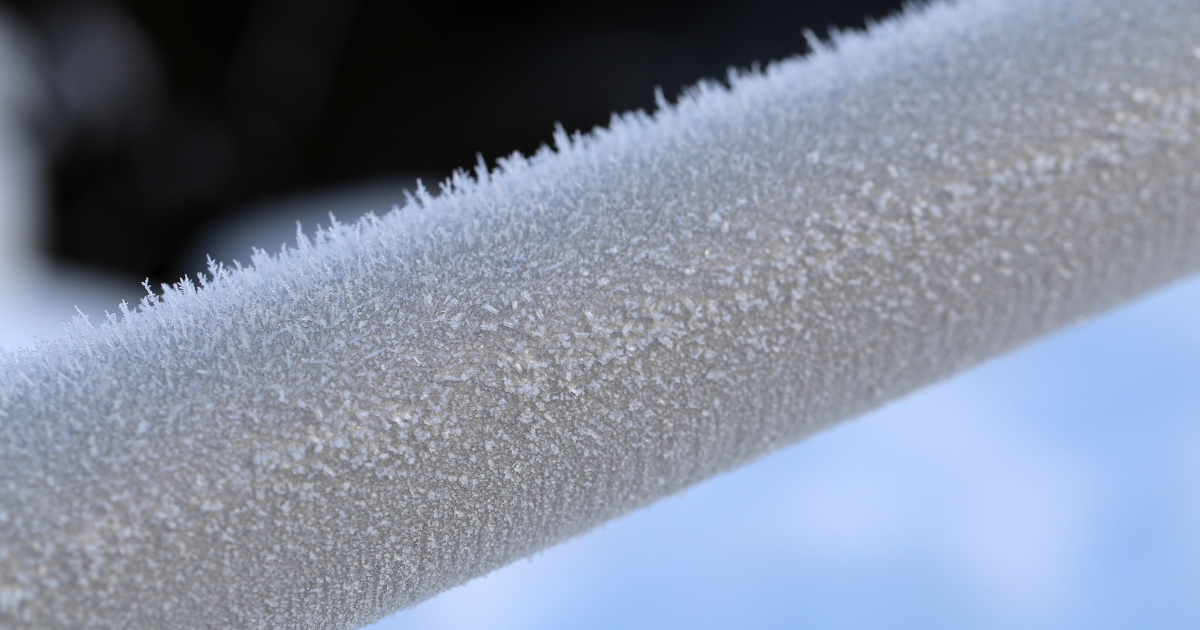
If your boiler suddenly stops working during freezing weather, particularly when it was operating normally beforehand, a frozen condensate pipe is one of the first things worth checking.
Modern condensing boilers produce a small amount of wastewater as part of normal operation. This leaves the boiler through a condensate pipe, which is usually a plastic pipe running from the boiler into a drain. If part of that pipe runs outside, the water inside can freeze during prolonged cold weather and create a blockage. When that happens, the boiler may shut itself down to prevent condensate backing up into the appliance.
After more than 35 years working with boilers and heating systems, the timing of the fault is an important clue. If temperatures have dropped below freezing and you suddenly lose heating or hot water, particularly overnight or first thing in the morning, the condensate pipe is one of the things I would investigate.
What is a boiler condensate pipe?
Condensing boilers recover more heat from the gases produced during combustion, which improves their efficiency but also creates condensation. That water needs somewhere to go, so it leaves the boiler through the condensate pipe and drains away safely.
The pipe is usually plastic and may run internally into household waste pipework or pass through an outside wall before reaching a drain. It is the externally exposed sections that are most vulnerable during very cold weather.
Not every property will therefore have the same risk. If the condensate is routed entirely internally, freezing is much less likely than where a long section of pipework is exposed outside.
How can you tell if the condensate pipe is frozen?
A boiler that stops during freezing weather does not automatically have a frozen condensate pipe, but there are several useful clues.
You may notice:
The boiler has stopped providing heating or hot water
The problem started when outside temperatures fell below freezing
The boiler is displaying a fault code
You can hear gurgling or bubbling from the boiler or condensate pipe
Ice is visible around an accessible section of the external pipe
Different boiler manufacturers use different fault codes. For example, Worcester Bosch notes that some of its boilers may show an EA code when the condensate freezes, while Vaillant identifies F28 or F29 as possible codes associated with the problem. Always check the instructions for your specific boiler rather than assuming the same code applies to every appliance.
Where does the condensate pipe usually freeze?
If the pipe is exposed outdoors, the blockage is often found at the coldest or most exposed point.
That can include the open end of the pipe, a bend or elbow, or somewhere the pipe sags and allows water to collect. Worcester Bosch specifically identifies these as common areas where freezing can occur.
If you can safely see the external pipe from ground level, look for obvious frost or ice. Do not climb ladders or put yourself at risk trying to reach pipework at height.
Can you thaw a frozen condensate pipe yourself?
In some cases, yes. If the frozen section is at ground level, easy to access and you can reach it safely, boiler manufacturers provide simple guidance for thawing it.
The safest approach is to apply warm water, not boiling water, along the frozen section of pipe. A hot water bottle or warm heat pack placed against the pipe can also help melt the blockage gradually.
Once the ice has cleared, follow your boiler manufacturer's instructions for resetting the appliance. If the frozen pipe was the only problem, the boiler may then restart normally.
Never use boiling water
This is important.
Do not pour freshly boiled water from a kettle over a frozen condensate pipe. The sudden temperature change can damage or crack plastic pipework, leaving you with another repair on top of the original problem. Both Worcester Bosch and Vaillant specifically warn against using boiling water.
Warm water is enough. Apply it gradually and give the ice time to melt.
You should also be careful about where the water goes. During freezing weather, water spilled onto a path or driveway can quickly turn into ice and create a slip hazard.
Do not try to reach pipework at height
If the suspected frozen section is above ground level or difficult to access, do not use a ladder or climb onto anything to reach it.
Worcester Bosch's guidance specifically says that homeowners should only attempt to thaw condensate pipework that is at ground level and easily accessible.
If it cannot be reached safely, leave it for an engineer.
What if the boiler still does not start?
If you have safely thawed the pipe and the boiler still will not operate, there may be another problem.
First, make sure the pipe really has cleared and then follow the correct reset procedure for your boiler. Different appliances reset differently, so use the manufacturer's instructions rather than repeatedly pressing buttons.
If the same fault returns, the boiler still will not start or you are unsure whether the condensate was actually frozen, it is time to have the system checked. A loss of heating during cold weather can also be caused by pressure problems, ignition faults, controls, pumps or other boiler components.
The weather may point towards the condensate pipe, but it should not become an excuse to overlook another fault.
Why does the condensate pipe keep freezing?
If the same condensate pipe freezes every time temperatures fall, I would look beyond simply thawing it each time.
External pipework may need better insulation, or the route and installation of the condensate pipe may need reviewing. Worcester Bosch recommends insulating external pipework as one measure to reduce the risk of repeat freezing.
A correctly installed system should be designed with cold weather in mind. Repeated freezing suggests there may be an opportunity to make the pipework more resilient rather than waiting for the boiler to stop again during the next cold spell.
Can you prevent a frozen condensate pipe?
You cannot control the weather, but you can reduce the risk.
Insulating exposed condensate pipework can help protect it during freezing conditions. Keeping the heating operating sensibly during very cold periods can also reduce the likelihood of stagnant water freezing in exposed pipework. Vaillant notes that pipes can be more vulnerable when the heating system has not been in regular use during freezing conditions.
If you are going away during winter, avoid simply switching the heating system off without considering frost protection. Check the boiler and thermostat manufacturer's guidance for the most appropriate setting for your system.
Is a frozen condensate pipe dangerous?
A frozen condensate pipe is normally a blockage rather than a gas leak. Modern boilers are designed to shut down when they detect conditions that prevent safe operation.
That does not mean the problem should be ignored. If the boiler has shut itself down, continually resetting it without clearing the blockage is unlikely to solve the problem.
If you ever smell gas, that is a separate emergency. Do not treat it as a condensate issue. Leave the property if necessary and contact the National Gas Emergency Service on 0800 111 999.
What can you safely check yourself?
If your boiler stops during freezing weather, you can check:
Whether the boiler is displaying a fault code
Whether you have lost both heating and hot water
Whether temperatures outside have fallen below freezing
Whether the condensate pipe runs outside
Whether an accessible section of the pipe appears frozen
Whether you can hear unusual gurgling from the boiler or pipework
If the suspected frozen section is safely accessible from ground level, you can try thawing it gradually with warm water or a hot water bottle. Do not remove the boiler casing, dismantle components or attempt to reach inaccessible pipework.
When should you call an engineer?
I would call an engineer if the condensate pipe cannot be reached safely, the boiler does not restart after the blockage has been cleared, the same problem keeps returning or you are not confident that a frozen pipe is actually causing the fault.
You should also seek professional help if the boiler is displaying a persistent fault code, losing pressure, leaking water or showing other signs that point towards a wider boiler problem.
A frozen condensate pipe can sometimes be a straightforward winter issue. The important thing is knowing when the simple explanation fits and when the boiler needs a proper diagnosis.
Local help in West London
West Gas Service provides gas, heating, plumbing and air conditioning services across West London, Surrey and surrounding areas. With more than 35 years of experience, we regularly attend winter boiler breakdowns, including frozen condensate pipes, loss of heating, pressure problems and other cold-weather faults.
If your boiler has stopped working during freezing weather, we can diagnose the problem, explain your options clearly and recommend the work that is actually needed.
Call 07866 567112, email ralphwestgas@gmail.com, or submit a form and a qualified engineer will be in touch.
