
Hot Water but No Heating? What Could Be Wrong?
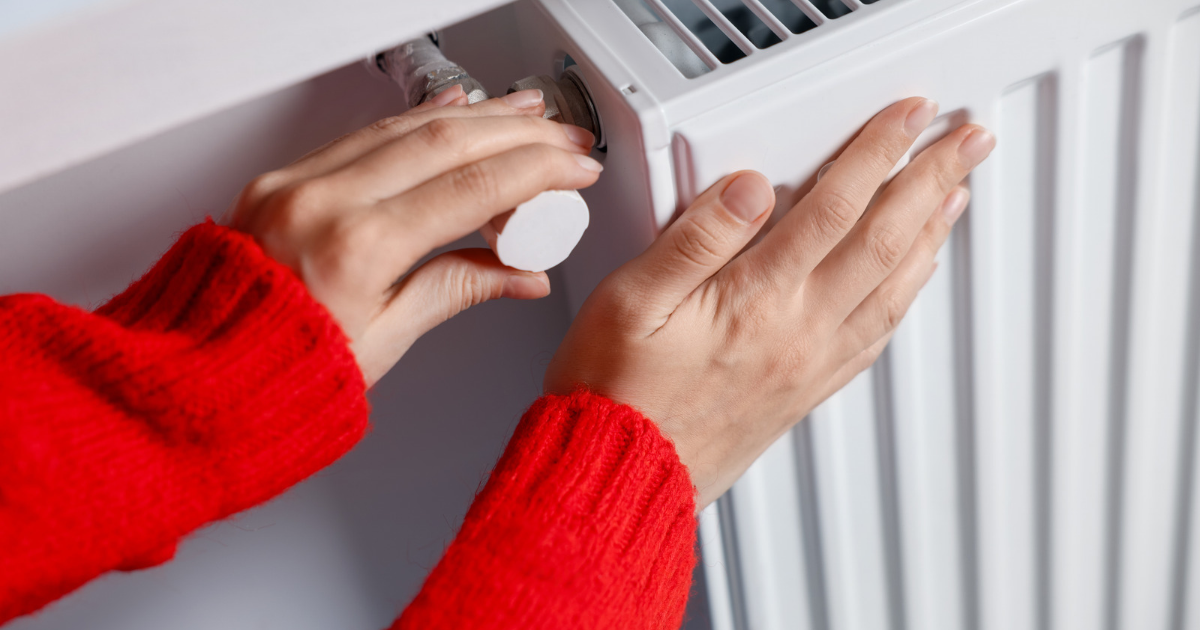
If you have hot water at the taps but your radiators are staying cold, it can feel strange. The boiler appears to be doing something, so why is the house not heating up?
The useful thing about this particular fault is that having hot water but no heating already tells us something. Depending on the type of heating system you have, it can help narrow the problem down to the controls, circulation, valves or the way heat is being directed around the property.
After more than 35 years working with heating systems, I would not start by assuming the boiler needs replacing. I would first establish what type of system you have, whether every radiator is affected and what happens when the heating is actually asked to come on.
Start with the heating controls
Before looking for a mechanical fault, make sure the heating is actually being asked to switch on. It sounds basic, but thermostats, timers and programmers are worth ruling out first.
Check that the room thermostat is switched on and set above the current room temperature, the heating schedule is correct, the thermostat batteries are working and the boiler has not been left in a hot-water-only or summer setting. If there has recently been a power cut, it is also worth checking that the programmer has not reset.
Try turning the thermostat several degrees above the current room temperature and watch what happens. Does the boiler respond? Does a heating symbol appear? Can you hear the boiler or pump start? That information can be more useful than simply knowing that the radiators are cold.
Are all the radiators cold or only some of them?
This is one of the first distinctions worth making. If one radiator is cold while the others are heating normally, the boiler itself is unlikely to be the main problem. The issue may be local to that radiator, such as trapped air, a sticking valve, poor balancing or restricted circulation.
If every radiator in the property remains cold despite the heating being switched on, the investigation moves further back through the system. That can point towards the controls, boiler, circulation pump or valves responsible for directing heated water around the property.
The pattern of the fault matters. One cold radiator and an entire cold house are two very different problems.
Check the boiler pressure
If you have a sealed heating system, have a look at the pressure gauge or digital pressure reading. Many systems sit somewhere around 1 to 1.5 bar when cold, although the correct pressure for your boiler should always be checked in the manufacturer's instructions.
If the pressure has fallen too low, the boiler may not operate correctly. If you know how to repressurise your particular boiler safely, follow the manufacturer's instructions.
There is an important difference, though, between restoring the pressure once and repeatedly having to do it. If you top the system up and the pressure keeps falling again, there is likely to be an underlying reason that needs investigating rather than continually adding more water.
If you have a combi boiler, the diverter valve could be involved
A combi boiler provides both your central heating and hot water from the same appliance. Inside the boiler, a diverter valve helps direct the heat to where it is needed.
When you open a hot tap, the boiler needs to provide hot water. When the heating comes on, it needs to send heated water around the radiators instead. If the diverter valve sticks or develops a fault, it is possible for the hot water side to continue working while the central heating does not.
So if the taps are producing plenty of hot water but every radiator remains cold, the diverter valve is one of the things an engineer may investigate. It is not something I would recommend trying to repair yourself.
If you have a hot-water cylinder, the system works differently
If you have a system or conventional boiler with a separate hot-water cylinder, the heating and hot water may be controlled differently from a combi boiler. Motorised valves can direct heated water towards the cylinder, the radiators or both.
If the valve controlling the heating circuit fails to open properly, you may still have hot water while the radiators remain cold.
There is another reason not to assume that hot taps mean the boiler is definitely working properly. Some cylinders have an electric immersion heater, which can heat the stored water independently of the boiler. In that situation, you could still have hot water even if there is a separate problem with the boiler or heating circuit.
That is why identifying the type of system is one of the first things I would do.
The circulation pump could be part of the problem
Producing heat is only one part of a central-heating system. That heated water also has to circulate through the pipework and radiators.
The circulation pump helps move the water around the system. If the pump has stopped working properly, become stuck or is not receiving the correct signal, you can end up with a system that appears capable of producing heat but cannot distribute it through the radiators.
Pump problems should be properly diagnosed because faults with controls, valves and circulation can produce similar symptoms. Replacing whichever component seems most obvious is not the same thing as finding the actual cause.
The thermostat can look fine and still be the problem
A thermostat may appear to be operating normally while the boiler never actually receives the demand for heating. Depending on the system, the problem could involve the thermostat itself, a wireless receiver, the programmer, wiring, smart-heating controls or individual heating zones.
That is why I would always check whether the boiler actually reacts when the thermostat is turned up. If the demand for heat never reaches the heating system, replacing components inside the boiler will not solve the real problem.
What if only the top of a radiator is cold?
If the central heating is generally working but one radiator remains cold towards the top, trapped air may be the cause. Bleeding the radiator can allow that air to escape and restore circulation.
Again, the pattern matters. One partially cold radiator is very different from an entire house where every radiator remains completely cold. If the whole heating system is affected, bleeding every radiator is unlikely to be the complete answer.
Check whether the boiler is showing a fault code
Modern boilers will often display a fault or error code when they detect a problem. If yours is showing one, make a note of it before resetting anything.
The manufacturer's instructions may explain what the code relates to and whether there is a simple check you can safely make yourself. What I would avoid is repeatedly resetting a boiler that keeps returning to the same fault. A reset may clear a temporary condition, but it does not repair whatever is causing the problem to return.
What can you safely check yourself?
Before arranging an engineer, it is useful to check whether the thermostat is asking for heat, the timer is switched on, the boiler is in the correct mode, thermostat batteries are working, boiler pressure is within the manufacturer's recommended range, a fault code is showing, and whether the problem affects every radiator or only part of the house.
It is also useful to know whether you have a combi boiler or a separate hot-water cylinder. Those observations can help an engineer narrow the fault down much more quickly.
What shouldn't you do yourself?
Do not remove the boiler casing or start dismantling components to find the fault. Internal boiler components, gas-related parts, diverter valves, pumps and electrical controls need to be tested properly rather than guessed at.
If the fault requires work inside a gas boiler, it should be handled by a Gas Safe registered engineer.
When should you call an engineer?
If every radiator remains cold despite the heating being switched on, the boiler does not respond to the thermostat, the pressure repeatedly falls, a fault code keeps returning or the boiler consistently provides hot water but refuses to heat the radiators, it is time to have the system checked properly.
The same applies if you suspect a problem with a pump, diverter valve, motorised valve or heating controls. Having hot water but no heating does not automatically mean you need a new boiler. The important thing is to establish where the heating demand is being lost and why.
No heating in West London?
West Gas Service has more than 35 years of experience diagnosing boiler and central-heating faults across West London and surrounding areas.
If your hot water is working but your heating isn't, we can investigate the boiler and heating system, identify what is causing the problem and explain what actually needs repairing before any work begins.
Call 07866 567112 or contact West Gas Service to arrange a visit.
